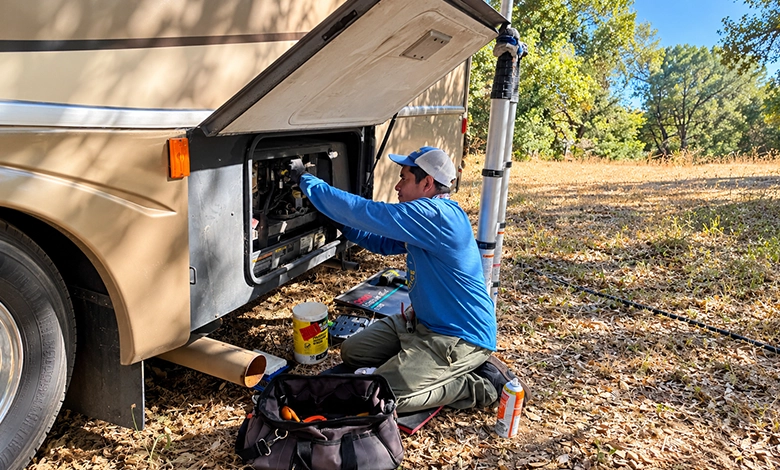
An RV will allow you to discover new places while bringing a slice of home for the ride. It makes little difference if you camp by the lake or some quiet mountain spot, but an interior temperature is that difference between one camping trip and another. A well-maintained HVAC system in your RV is essential for keeping you cool in summer and warm in winter. Like all other parts of your RV, attention is needed for properly working the HVAC system. This blog will explore the practical tips for maintaining and fixing your RV HVAC system to have reliable comfort on the road.
Understand the Basics of Your RV’s HVAC System
How an RV operates can help you understand system maintenance or repair needs better. Most RVs usually come with a rooftop air-conditioning unit, a heating system – propane or electricity – and a ventilation system that keeps the air circulating. All these serve different purposes in keeping your area warm or cool. For instance, the air conditioner cools the air while the heating will keep things warm if temperatures fall. Understanding these basics gives you an easy way to identify problems and know exactly how much maintenance each component needs.
Frequent Cleaning Helps to Prevent Dirt and Dust Buildup
Your best and most simple maintenance is keeping the HVAC clean. Dust and dirt can easily foul filters, vents, and coils, making it work too hard and less efficiently. Starting with the air filter, inspect and clean it, even more so if traveling in dusty or heavy pollen areas. Replace it with a fresh one should it be unclean or damaged. Please ensure the coils and vents are free so the air may move as it should. A gentle brush or vacuum cleaner will be great for this cleaning. Cleaning off the buildup helps ensure clean air and prolongs the system’s length.
Check Electrical Connections and Fuses
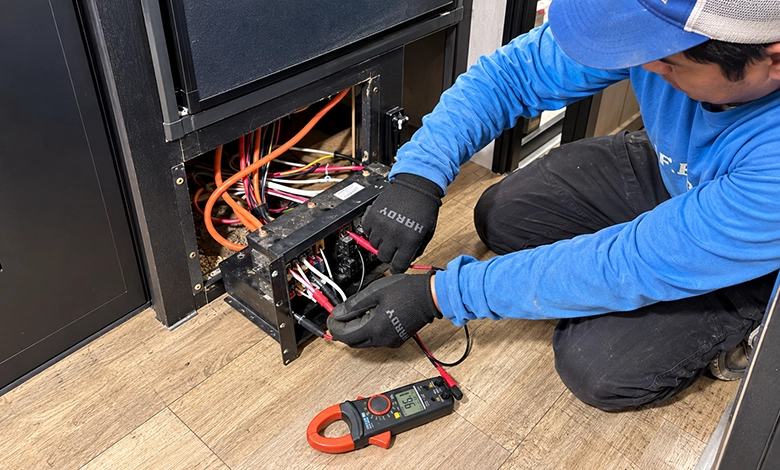
Your air conditioning will rely on electrical connections and fuses to work. Occasionally, these connections become loose due to road vibrations, while the fuses may burn out. First, ensure you switch off the power supply to your air conditioner. You will then inspect your electrical connections to ensure they are tight. If you notice any wires are damaged, contacting a professional to repair them is always advisable since electrical work can be hazardous. Look over your fuses as well. A blown fuse can be the reason your HVAC isn’t functioning. A fuse is easily replaced and may restore power to your unit in no time.
Inspect the Thermostat for Accuracy
The thermostat is your control center for setting the temperature, so it must function. If your HVAC isn’t heating or cooling as you would want, the thermostat might be the offender. Be sure thermostat settings are calibrated properly. If the display appears inaccurate or unresponsive, this may require a battery replacement or reset. Sometimes, the older thermostats must be replaced when they stop functioning. It upgrades the thermometer’s accuracy and controls your thermostat to provide more precision in temperature settings on an RV.
Keep an Eye on Refrigerant Levels
The refrigerant lets your air conditioner effectively cool the air. Due to a small leak, its levels may run low, especially over time. When you suspect the air from your AC is warm, it’s probably low in refrigerant. Another problematic aspect of checking refrigerant levels is using the required equipment. You would better call in a professional HVAC technician who can assess the situation and safely recharge the refrigerant if necessary when you feel like there’s a leak or the refrigerant levels are low. Not only won’t it cool correctly, but long-term running short on refrigerant might also harm the compressor.
Lubricate Moving Parts to Reduce Wear
Many parts of your HVAC system move in circulating air and controlling temperature: fan motors and blower wheels. You apply lubricant to these moving parts so that friction and abrasion are reduced, prolonging the life of your system. Eventually, however, these parts dry or collect dust and increase the system’s work, making it more likely to break down. Apply the lubricant recommended by the manufacturer in the way HVAC-specific calls for. Regularly lubricating the components can avoid costly repairs and keep your system running perfectly.
Watch for Signs of Leaks or Moisture
Moisture is a significant problem of an RV’s HVAC system because it causes rust, mold, and many other issues. If there is a water pool below the AC unit or around the heating, you can bet there is a leak. To be sure the pan and drain line are clean and free from blockage, you have to examine them. A blocked drain line can cause the water to back up on the unit; thus, it may have the capacity to damage it. It would be wise if the leak remains to make the technician inspect it. Fixing leaks prevents further damage and keeps the system running efficiently.
Test the Heating System Before Cold Weather Hits
Heating, of course, is among the primary concerns during colder months. Therefore, test it well ahead of time. Please turn on the heater, check that it warms the RV evenly and efficiently, listen out for any unusual noises, and check up on any possible aromas related to heating, blower, or fuel supply issues. If you have a propane heater, ensure that you have enough propane inside and all connections are in good condition. Any problem with the heater must be fixed before you are locked in a place to use it. This way, by checking it early, you can address repairs without stress.
Protect Your HVAC System with a Weatherproof Cover
Rooftop AC systems are affected by factors that create wear and tear over time. Store your unit in a weatherproof cover when not in use. So water, dust, and even those squirrels won’t sneak in. Look for a cover made of solid, weather-resistant material that fits tightly. Covering your unit is extra useful during the off-season or if you intend to store that RV for over a year. This simple step can help preserve your car’s air conditioning and ensure it will work when you’re ready to head out again.
Schedule Regular Professional Inspections
While several HVAC maintenance can be performed safely by you, an annual professional checkup would make all the difference. A certified technician can spot things that are not visible to you, such as refrigerant leaks and old parts, and maybe crying out for a replacement. These ensure that small problems do not turn into larger issues and are much more costly in the long run, thus making your HVAC system reliable. The technician will also clean up and tune up the system to function better and use less energy.
Conclusion
A few simple steps can be a lot of work in keeping your RV comfortable. The following tips are essential in keeping your RV comfortable, from filters to refrigerant checks, even when it rains. It may save you from an untimely breakdown when you take time to do some checks and little fixes. A high-quality HVAC system leaves you with an efficient power-based activity, allowing you to enjoy your travel to the fullest. Enjoy every moment with comfort.